












Why Everyone, Including Trump, Is Talking About Airline Mergers
A few carriers are making a lot of money while many are struggling. President Trump and industry executives seem to think mergers may be the answer.
No planes have been repainted, and no executives have been sacked. Yet Wall Street, Washington and the aviation industry can’t stop talking about plans and deals that would fundamentally shake up U.S. airlines.
The industry has been buzzing for weeks about mergers, partnerships and a government bailout. Why? Years of mounting costs and thin profits have weakened many airlines while a few companies have become dominant by catering to affluent travelers.
The largest airlines account for most of the industry’s profits, but they can’t easily grow without gobbling up rivals to acquire scarce planes and airport gates — the building blocks of this business. And some of the smaller, less profitable carriers, which were struggling to survive, are being walloped by the surging price of jet fuel because of the war in Iran.
Then there is the federal government. President Trump and his aides have recently expressed an openness to airlines mergers, acquisitions and bailouts even though many consumer groups say such deals would leave Americans with fewer airlines to chose from and is likely to lead to higher fares.
“Suddenly, there’s no speed limit on the highway,” said William J. McGee, a former airline dispatcher and a senior fellow for aviation at the American Economic Liberties Project, a left-leaning group. “Not everybody’s going to drive 100 miles an hour, but one or two are going to try.”
Talk of airline deals has intensified in recent weeks, evoking the consolidation wave roughly 15 years ago that left the country with four dominant carriers — Delta Air Lines, United Airlines, American Airlines and Southwest Airlines.
But the mergers that created those four companies would pale in comparison with the deal that had the industry abuzz last week.
Some news organizations had reported that United’s chief executive, Scott Kirby, had floated the idea of a merger between his company and American in conversations with Mr. Trump and other administration officials. The combination would create a behemoth operating two of every five flights in the United States.
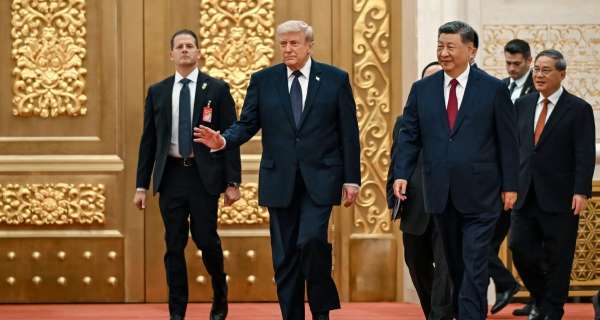
American said it opposed the idea, as did senators from both parties. The deal was too rich even for Mr. Trump, who owned a small airline, Trump Shuttle, for a few years. The president came out against the deal this week even as he solicited suitors for the struggling Spirit Airlines.
The episode spoke to the industry’s diverging fortunes. Delta and United generate most of the industry’s profits because they cater to travelers who spend thousands of dollars on lie-flat first-class seats. Most others are losing money or earning modest profits.
After the Covid-19 pandemic, many airlines struggled to find their footing. They sought to sell more tickets by competing fiercely on popular routes. All the while, costs for labor and other expenses rose fast.
Geopolitics added new, unpredictable strains. After Russia invaded Ukraine, a big chunk of the planet’s airspace over Russia was closed off to American and European airlines, forcing them to fly longer routes. Then the United States and Israel went to war with Iran, and the price of jet fuel nearly doubled.
“You just have airlines that never got their foothold for various reasons,” said Savanthi Syth, an industry analyst at Raymond James. She added: “That’s why consolidation is coming up, because airlines aren’t getting normal years to catch up.”
United, American, JetBlue and other airlines declined requests for interviews for this article.
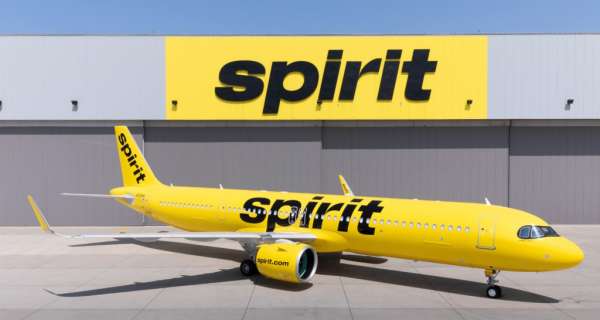
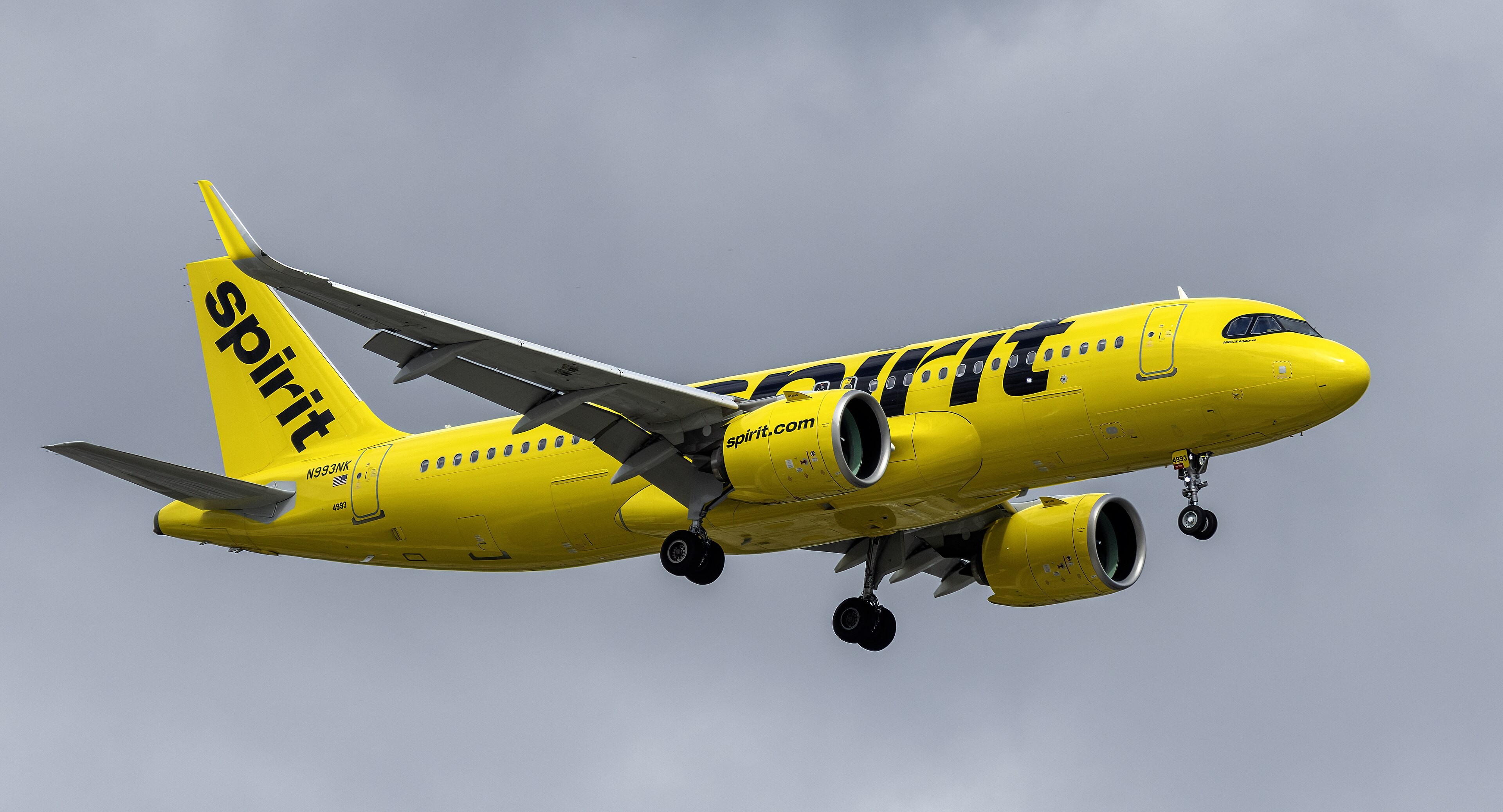
No carrier is in a more precarious position than Spirit. After struggling with high costs, competition, a failed merger and engine problems, the company filed for bankruptcy in late 2024. It emerged last year only to file for bankruptcy again in August.
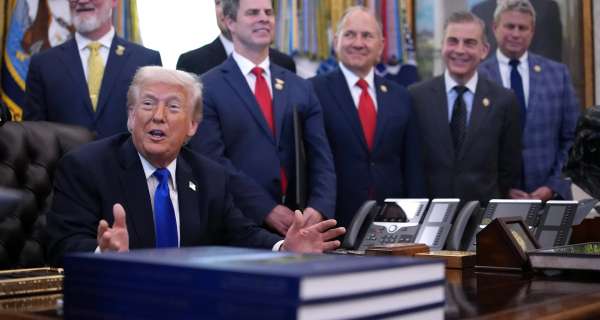
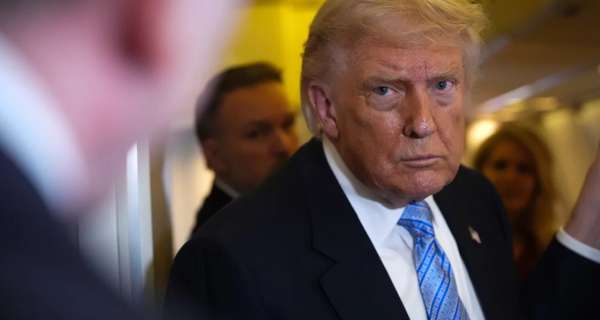
The Trump administration is considering propping Spirit up with a $500 million federal rescue. Speaking at the White House on Thursday, Mr. Trump said that he was open to having the federal government buy Spirit outright.
“You know, I like having a lot of airlines so it’s competitive,” he said, adding: “If we could get it for the right price, I’d do it to save the jobs.”
The administration has blamed Spirit’s problems on the Biden administration’s decision to block JetBlue’s proposed acquisition of Spirit.
But it’s not clear whether Spirit merging with JetBlue, which is also struggling, would have been enough. The industry’s history is replete with failed or troubled mergers.
Several deals have taken place recently.
Alaska Airlines acquired Hawaiian Airlines in 2024, giving it the planes it needed to add flights to London, Rome, Seoul and Tokyo. Last year, Republic Airways, a regional carrier, bought another regional firm, Mesa Airlines. And Allegiant Air and Sun Country Airlines, two successful budget carriers, are in the middle of merging.
Administration officials say more are welcome.
“Is there room for some mergers in the aviation industry? Yeah, I think there is,” the transportation secretary, Sean Duffy, said on CNBC this month.
The companies under the most pressure are the budget airlines. Rising costs in recent years, especially for pilots and other professionals, have weighed heavily on them. The bigger airlines have also lured many customers away with “basic economy” offerings.
“There is clearly pressure for something to give in the U.S. market over the next few months,” John Grant, a senior analyst at OAG, an aviation data provider, wrote in a blog post this week.
Airlines are also considering deals that stop short of mergers.
On Thursday, American Airlines’ chief, Robert Isom, signaled that he was open to deepening its partnership with Alaska Airlines.
While United may not succeed in getting together with American, industry analysts said, United could end up acquiring a smaller carrier like JetBlue.
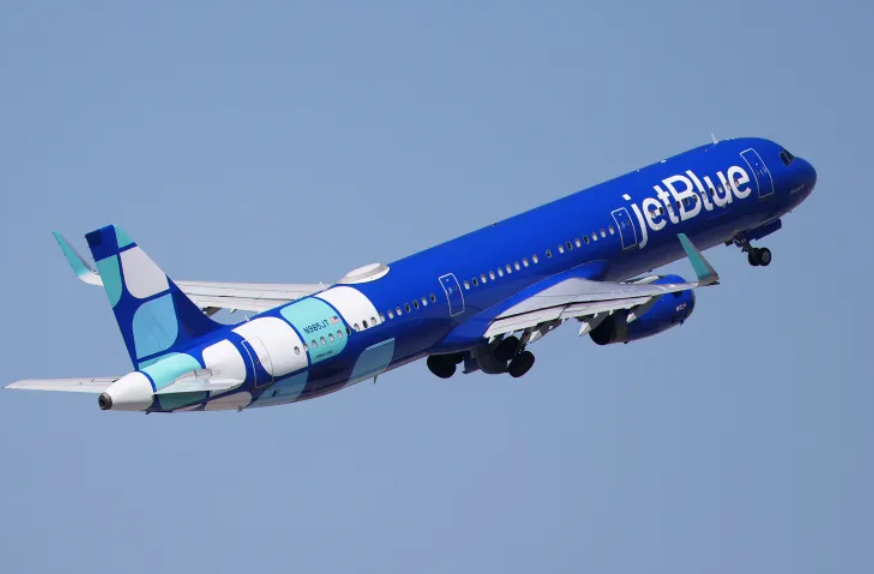
JetBlue isn’t big enough to compete with the largest U.S. airlines, and its costs aren’t low enough for it to meaningfully undercut them. The airline, which has not earned an annual profit since 2019 and has significant debt, is trying to cut costs, reduce delays and sell more premium seats.
Delta, the most profitable airline, is probably in the most enviable position, analysts said, because it doesn’t need to buy anything. Southwest, another relatively strong player, has generally avoided acquisitions, engaging in a few mostly small deals.
Still, the lure of deals can be hard to resist, analysts said, especially if executives are worried that other mergers will leave them in a weaker position.
Talk of another wave worries some antitrust experts who say the industry is already an oligopoly. If the number of airlines shrinks further, travelers will have fewer choices and pay higher fares, said Diana Moss, vice president and director of competition policy at the Progressive Policy Institute, a centrist Democratic think tank.
Reducing an industry to three large companies from four, Ms. Moss said, “would net the big players significantly more pricing power.”
Niraj Chokshi is a Times reporter who writes about aviation, rail and other transportation industries.
















0 Commentaires