










Trump will tap oil reserve as Iran war drives up gas prices
Why it matters: Consumers are seeing significant price jumps at the pump — and Republicans recognize offsetting that increase is crucial ahead of the 2026 midterm elections.
The latest: Despite the IEA's agreement, oil prices jumped again overnight.
The global benchmark Brent crude rose more than 8% to top $100 per barrel.
Driving the news: Trump "authorized the Department of Energy to release 172 million barrels from the Strategic Petroleum Reserve, beginning next week," Wright said in a statement.
The oil will take about 120 days to deliver, according to Wright.
The U.S. has "arranged to more than replace these strategic reserves with approximately 200 million barrels within the next year — 20% more barrels than will be drawn down and at no cost to the taxpayer," Wright said.
Reality check: The reserve sits near its lowest levels in decades and as of March 6, it holds about 415 million barrels of oil.
That could fill about 630 million sedans if all of it were refined into gasoline.
Trump's plan accounts for 41.4% of the current reserve.
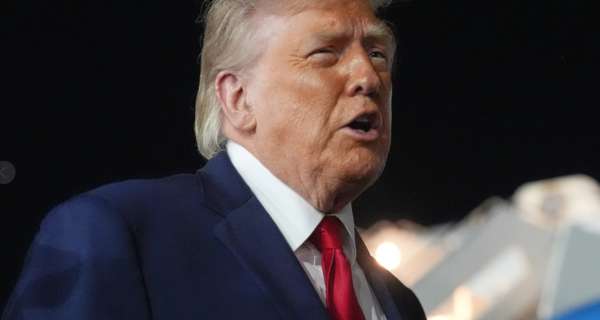
What he's saying: "We'll do that, and then we'll fill it up. I filled it up once, and I'll fill it up again," Trump said during a visit to Ohio and Kentucky. "Right now, we'll reduce it a little bit, and that brings the prices down."
State of play: On March 8, crude oil prices hit triple digits for the first time since 2022, throwing the global market off balance.
In the first nine days of the Iran war, 20% of the global oil supply has been disrupted, "more than double the previous record set during the Suez Crisis of 1956-57, which disrupted just under 10%," according to the Rapidan Energy Group.
By the numbers: The national average for gas on Wednesday was $3.578 per gallon, according to AAA.
Context: Trump has maintained that any pain the Iran war causes consumers will be temporary and that his administration will find solutions.
Trump floated the possibility of Navy escorts for tankers passing through the Strait of Hormuz, which has been choked off by the war.
The U.S. International Development Finance Corp. is also offering insurance policies to ships navigating the area, but the usefulness of these plans remains unclear.
Zoom out: The Strategic Petroleum Reserve is meant to offset any price uptick driven by supply constraints. Trump and fellow Republicans have argued the current price increases are a temporary fear-fueled blip and will soon subside.
The reserve acts as a safety net against political disputes, natural disasters, weather and labor strikes. Typically, a president will release oil from the reserves to stabilize markets.
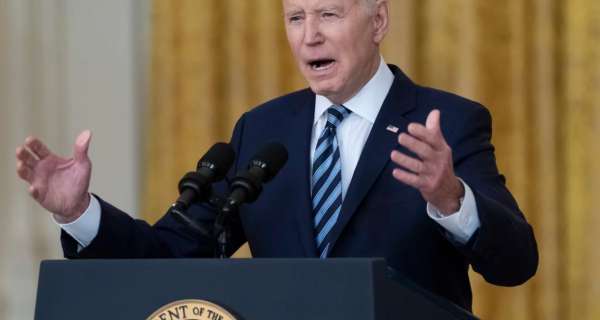
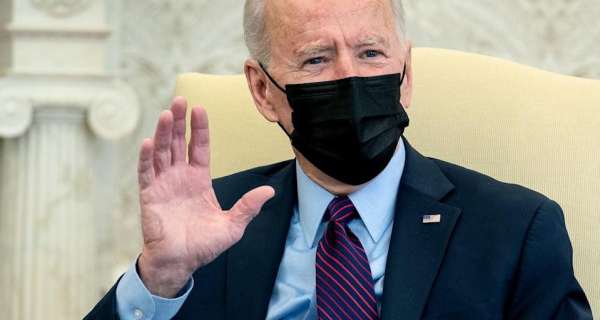
Flashback: Former President Biden sold more than 40% of the reserve in 2022 to rein in fuel prices after Russia invaded Ukraine, prompting Republicans to argue he left the U.S. vulnerable to global supply disruptions.
The U.S. obtained 200 million barrels of oil — 20 million more than it sold — in 2024, either by purchasing new barrels or canceling sales of the oil, according to the Department of Energy.
By Josephine Walker, Julianna Bragg


















0 تعليقات